
Your Garage Door Shouldn't Sound Like That
You press the button, and instead of a smooth, quiet operation, your garage door groans, screeches, or rattles its way up the track. If you've been ignoring those sounds or turning up the car radio to drown them out, it's time to pay attention. A noisy garage door isn't just annoying — it's often an early warning sign that something needs repair before it becomes a bigger, more expensive problem.
Here in Moody, where many homes have attached garages right next to bedrooms and living spaces, a loud garage door can disrupt your entire household. Whether you're leaving for work early in the morning or coming home late at night, the last thing you want is a door that wakes up the whole family. Let's break down the most common garage door noises, what causes them, and what you should do about each one.
Grinding or Scraping Sounds
A grinding noise is one of the most concerning sounds a garage door can make. It usually points to one of these issues:
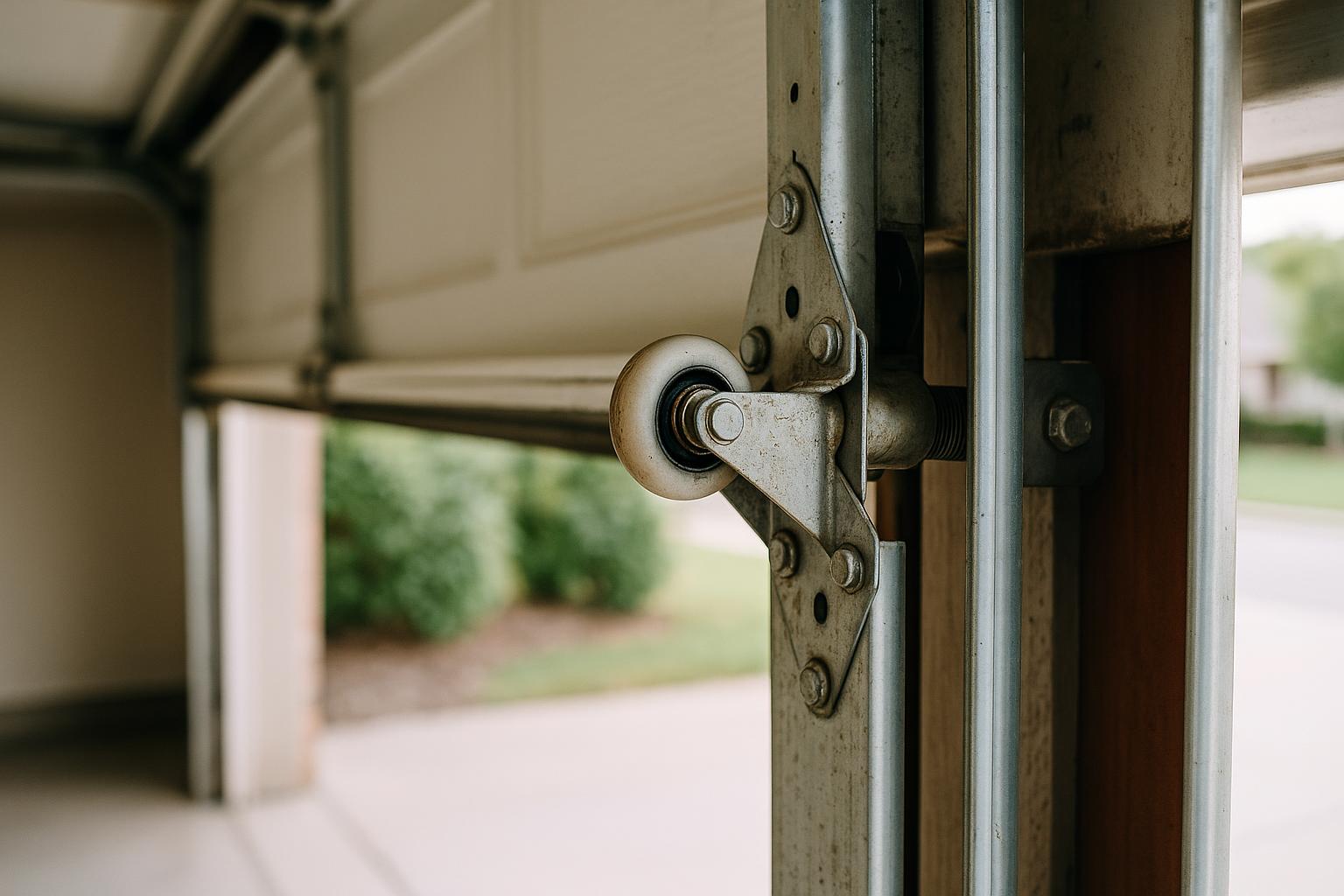
- Worn or damaged rollers: Metal rollers wear down over time, and when they do, they grind against the track instead of gliding smoothly. Nylon rollers are quieter and last longer, so upgrading is often a smart move.
- Misaligned tracks: If the vertical or horizontal tracks have shifted even slightly, the door can scrape against the metal as it moves. This creates friction that wears down both the rollers and the track itself.
- Lack of lubrication: Dry metal-on-metal contact is a recipe for grinding. Regular lubrication of the rollers, hinges, and tracks can eliminate this noise entirely in many cases.
If you hear grinding, don't wait too long to address it. Continued operation with misaligned tracks or worn rollers can cause the door to jump off the track entirely, which is both dangerous and costly to fix.
Squealing or Screeching
A high-pitched squeal every time your garage door moves is hard to ignore — and it shouldn't be. Common causes include:
- Dry bearings or hinges: The pivot points on your garage door panels need periodic lubrication. When they dry out, they produce that unmistakable screech.
- Torsion spring issues: As torsion springs coil and uncoil, they can squeal if they're not properly lubricated or if they're nearing the end of their lifespan. A squealing spring under high tension is something you should have a professional inspect.
- Worn weather stripping: Sometimes the rubber seal along the bottom or sides of the door rubs against the frame in a way that produces a squealing sound, especially when temperatures change and the material expands or contracts.
A quick application of garage door-specific lubricant (not WD-40, which is a solvent, not a lubricant) can solve many squealing issues. Use a silicone-based or lithium-based spray on all moving parts.
Rattling or Vibrating
Rattling is one of the most common garage door complaints we hear from homeowners in Moody and the surrounding areas like Trussville and Odenville. It often sounds worse than it actually is, but it still deserves attention.
- Loose hardware: Your garage door moves up and down hundreds of times a year. Over time, nuts, bolts, and screws naturally loosen from the vibration. A simple tightening with a socket wrench can make a dramatic difference.
- Loose chain or belt on the opener: If your garage door opener uses a chain drive, a loose chain will slap and rattle during operation. Belt-drive openers are quieter by design, but even belts can loosen over time.
- Unsecured panels or brackets: Damaged or loose panel brackets can vibrate against the door itself, creating a rattling sound that echoes through the garage.
Start by checking and tightening all visible hardware. If the rattling persists, the issue may be internal to the opener or related to the counterbalance system, which is best left to a professional.
Banging or Popping
A loud bang or pop is the noise that gets people's attention fastest — and for good reason. These sounds can indicate:
- A broken torsion spring: When a torsion spring breaks, it often produces a loud bang that homeowners sometimes mistake for something falling in the garage or even a gunshot. If you hear this sound and your door won't open, a broken spring is the most likely culprit.
- Panel stress: If a door panel is warped or if the door is out of balance, certain panels may flex and pop as the door moves through its cycle.
- Opener strain: When the opener is working harder than it should — due to a heavy door, broken spring, or obstruction — it can produce popping or banging sounds from the motor unit.
A sudden loud bang followed by the door refusing to operate is almost always a spring issue. Do not attempt to open the door manually or repair the spring yourself. Torsion springs are under extreme tension and can cause serious injury. Call a professional right away.
When to Lubricate vs. When to Call a Pro
Many garage door noises can be resolved with basic maintenance that any homeowner can handle. Here's a simple rule of thumb:
DIY Maintenance
- Apply silicone or lithium-based lubricant to rollers, hinges, springs, and the track every six months
- Tighten all visible nuts, bolts, and brackets with a socket wrench
- Check the chain or belt tension on your opener and adjust per the manufacturer's instructions
- Inspect weather stripping for wear and replace if needed
Call a Professional
- Grinding that persists after lubrication — this likely means track misalignment or severely worn rollers
- Any sudden loud bang, especially if the door stops working
- Noises coming from inside the opener motor unit
- Visible damage to springs, cables, or brackets
- The door appears crooked, uneven, or shakes during operation
Attempting to repair springs, cables, or tracks without proper training and tools is dangerous. These components are under significant tension and require professional handling.
Preventive Maintenance Saves You Money
The best way to keep your garage door quiet and running smoothly is with regular preventive maintenance. Most of the noises described above develop gradually, meaning they could have been caught and corrected early with a routine inspection.
At Moody Garage Door Works, we offer preventive maintenance services that include a full inspection of your door's hardware, springs, cables, tracks, rollers, and opener. We lubricate all moving parts, tighten loose components, test the door's balance, and check the safety features. It's a small investment that extends the life of your door and helps you avoid unexpected breakdowns.
Don't Ignore What Your Garage Door Is Telling You
Your garage door is one of the largest moving parts of your home, and when it starts making unusual noises, it's communicating that something needs attention. Some fixes are simple — a can of lubricant and fifteen minutes of your time. Others require a trained technician with the right tools and experience.
If your garage door has been making noises that concern you, or if it's been more than a year since your last maintenance check, give us a call. Moody Garage Door Works serves homeowners throughout Moody, Leeds, Springville, Pell City, and the surrounding communities with honest, straightforward service. We'll diagnose the problem, explain your options, and get your door running quietly again.